
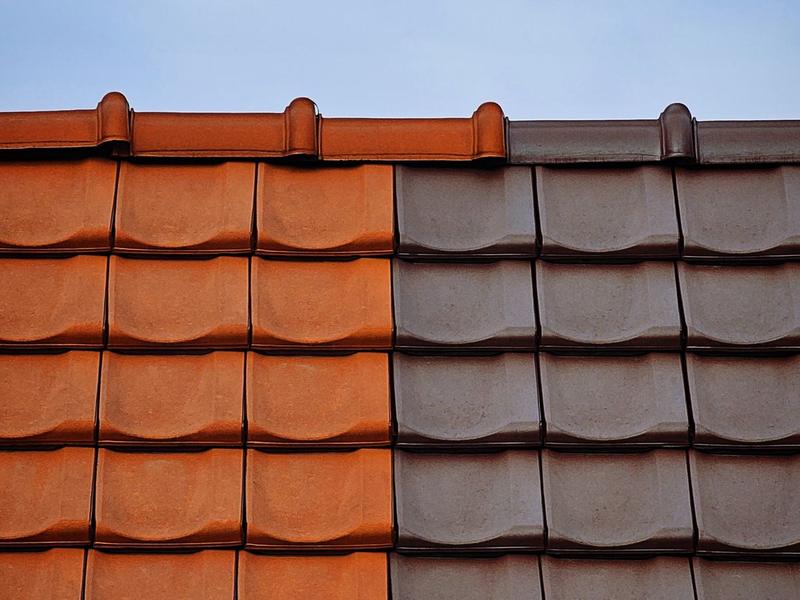
If your roof is going green, the moss is already on its way into your gutters. In the Pacific Northwest, moss thrives on shaded, slow-drying roofs, and every storm knocks loose clumps and shingle grit that pack into gutters and downspouts. The fix is to deal with both together: have the moss removed gently, treat the roof, cut back what shades it, and clean the gutters last, after the moss has come down.
Why roofs in the Pacific Northwest grow so much moss
Moss needs moisture, shade and something to hold onto. Seattle-area roofs offer all three for most of the year. The wet season runs from fall through spring, with long stretches of drizzle that keep a roof damp for days at a time, and mild winters mean moss rarely gets knocked back by a hard freeze.
Some roofs have it far worse than others:
- North-facing slopes. They get little direct sun in the cool months and can stay wet from one storm to the next.
- Roofs under tall evergreens. Douglas fir and western red cedar shade the roof year-round and drop needles that hold moisture and break down into a thin layer of soil between shingles.
- Roofs near bigleaf maple and alder. Fall leaves mat down in valleys and along the eaves and give moss a damp place to start.
- Low-slope sections and valleys. Water and debris move slowly there, so they stay wet longest.
Wooded neighborhoods in Bellevue, Kirkland, Sammamish and Issaquah, and hillside lots around Renton, often see thick growth on the shady side of the house while the sunny side stays mostly clean.
How roof moss ends up clogging your gutters
Moss doesn't stay put. As it grows, it loosens, and wind and heavy rain wash pieces down the slope. A few things then happen inside the gutter:
- Clumps act like sponges. A piece of moss soaks up water and swells, and it catches needles and leaves washing past it. A few clumps can turn into a dam.
- Shingle grit settles out. Moss roots work their way under shingle granules and loosen them. That grit is heavy, so it sinks to the bottom of the gutter and builds into a dense sludge that a quick scoop from the top misses.
- Downspouts plug at the elbows. The mix of moss, grit and needles packs tight at bends and at the outlet. Many older Seattle homes have downspouts feeding underground drain lines, and that sediment can travel into the buried pipe where it is much harder to clear.
- Moss starts growing in the gutter itself. Once a gutter stays wet and full of organic material, moss and even small plants take root right in the trough.
The result is a gutter that overflows in the first big fall storm, even if it looked clear from the ground. If you're not sure whether yours is at that point, this guide to signs of clogged gutters covers what to look for.
What moss does to shingles and roof edges
The gutter is only half the story. Moss grows into the gaps between shingles and slowly pushes the edges up. Raised shingles let wind-driven rain get underneath. A thick mat also holds water against the roof long after a storm passes.
The roof edge takes the worst of it. Moss tends to be heaviest along the eaves, right above the gutter, because water and debris collect there. When the gutter overflows, water runs back under the first row of shingles and soaks the fascia board and roof edge. That's how a clogged gutter and a mossy roof team up to cause rot along the eaves, which is a far bigger repair than a cleaning.
What to do about roof moss
Dealing with moss well is mostly about being gentle with the roof and patient with the timing.
- Remove thick moss by hand or with a soft wash. Moss is brushed or scraped off working down the slope, so shingle edges aren't pried up. Soft washing uses low pressure and a cleaning solution. High-pressure washing strips granules and can force water under shingles, so treat anyone who plans to blast an asphalt roof as a red flag.
- Apply a moss treatment. After the thick growth is off, a treatment kills what's left in the gaps. Ask the provider what they use and how they protect plants and landscaping below the drip line.
- Trim overhanging branches. Cutting back limbs over the roof lets in sun and air so the roof dries faster, and it cuts down the needles and leaves feeding both the moss and the gutters.
- Consider zinc or copper strips. Metal strips installed near the ridge release small amounts of metal when it rains, which can discourage moss on the roof below. They work best as prevention on a clean roof, not as a way to remove moss that's already there, and they won't do much for sections shaded by other parts of the roof.
- Keep the gutters clear. A clean gutter drains the roof edge so moss has less standing moisture to work with.
For more detail on removal methods and what affects the cost, see the roof moss removal page.
Timing: treat in a dry spell, clean gutters last
Moss comes off more easily when it's moist, but treatments need some dry hours afterward so rain doesn't wash them straight off the roof. That's why fall and early spring breaks in the weather are popular. Providers usually schedule around the forecast rather than a fixed date, so expect some flexibility.
The order matters. Brushing moss off sends clumps and grit straight into the gutters, so gutter cleaning should come after moss removal, not before. If you clean the gutters first, you'll likely be paying to clean them again. For more on when gutters need attention through the year, see when to clean gutters in Seattle.
Wet, mossy roofs are dangerous to walk on
A mossy roof is slick even in dry weather, and in the wet months it's like walking on a wet sponge laid over a slope. Moss can also hide lifted or brittle shingles that give way underfoot. Add a tall two-story roofline or a steep lot where the ladder can't sit level, and a fall becomes a real risk.
If you do any of this yourself, stay on the ladder, not the roof, and keep it to single-story eaves you can reach safely. Never use a pressure washer from a ladder. For anything higher or steeper, it's worth having a provider with proper ladders and fall protection handle it. Ask any provider you hire about their safety practices and insurance before work starts.
Combine moss removal and gutter cleaning in one visit
Since the moss ends up in the gutters anyway, booking both together is the simplest approach. One crew sets up once, removes and treats the moss, then clears the gutters and flushes the downspouts at the end so nothing from the roof is left behind. You also get one set of eyes on the whole roof edge, which is a good time to spot lifted shingles, soft fascia or loose gutter hangers.
If you're thinking about gutter guards, it's worth reading about gutter guards in the Pacific Northwest first. Moss and fine grit can collect on top of some guard styles, so cleaning the roof first gives any guard a better chance of working.
Get a quote for roof moss and gutters
Whether you need gutter cleaning in Seattle, gutter cleaning in Bellevue under tall firs, or gutter cleaning in Renton on a hillside lot, you can request both services at once. Pick "Multiple Services" in the form, mention roof moss and gutters, and note anything that affects the job, like roof pitch, number of stories, tree cover and how thick the moss is. Request a free quote and a local provider will follow up.